
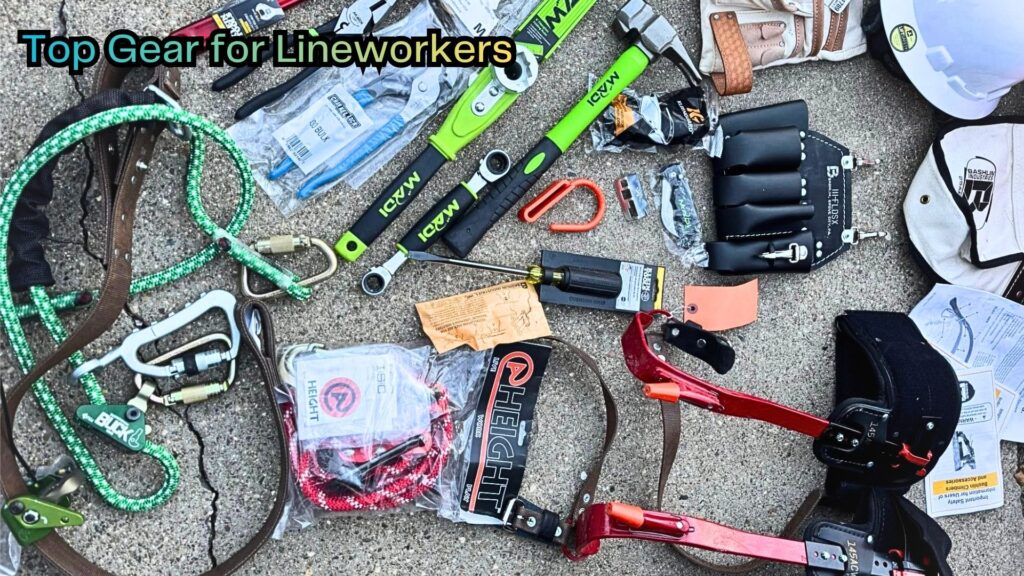
When it comes to the dangerous duty of linework—whether for electrical power lines, communication lines, or utility maintenance—having the right tools isn’t just important; it’s critical. A lineworker’s tools are the key to their survival, maintaining safety and efficiency high atop poles or beside high-voltage equipment. Here are the most essential tools every professional should have in their toolkit.
Climbing Gear: The Linework Workhorse
Lineworkers often climb utility poles or towers to carry out maintenance and repairs. This makes climbing equipment some of the most vital gear a professional can own. This gear must be reliable and capable of withstanding extreme environmental conditions.
-
Climbing Belt/Harness: No lineman’s kit is complete without a premium harness. Modern harnesses are made of high-quality materials that offer maximum support and fall protection. Many new-generation harnesses are designed with ergonomics in mind, featuring adjustable straps to diminish fatigue during long hours of work.
-
Climbing Hooks (Gaffs): Used in conjunction with a harness, these enable lineworkers to securely ascend and descend wooden utility poles. High-quality steel and sharp, well-maintained gaffs are essential to withstand the stresses of the job.
-
Pole Steps: These provide stable footholds on certain structures, allowing the worker to maintain a secure stance without relying solely on their grip, significantly reducing physical exhaustion while climbing.
Personal Protective Equipment (PPE)
In hazardous conditions, safety is the top priority. Proper PPE is a non-negotiable requirement for anyone working with electricity to minimize the risks of electrical burns, arc flashes, or falls.
-
Insulated Gloves: These are a necessity when working with live wires. Insulated rubber gloves protect against electrical shock while providing the dexterity needed for precision tasks. They are rated for different voltages, so choosing the correct class for the specific job is vital.
-
Safety Helmets and Face Shields: Protecting the head and face is an absolute must. Face shields or visors protect against falling debris and accidental contact with live electrical parts or arc flashes.
-
Flame-Resistant (FR) Clothing: Coveralls, jackets, and sleeves made of FR materials provide a critical layer of protection against burns resulting from electrical faults or arc flashes.
-
High-Visibility Gear: Bright, reflective vests or jackets ensure that lineworkers remain visible to teammates and motorists, especially during night shifts or in poor weather conditions.
Essential Hand Tools
Hand tools are the bread and butter of daily operations. These tools must be sturdy, corrosion-resistant, and tough enough for outdoor abuse.
-
Pliers and Cutters: Lineworkers require various pliers and cutters for stripping wire, crimping connectors, and cutting through thick cables. Many feature extended handles to provide the leverage necessary for stubborn materials.
-
Wrenches and Socket Sets: These are essential for tightening and loosening bolts on transformers, switches, and other hardware. Because they are used outdoors, corrosion-resistant finishes (like chrome or impact-grade coatings) are a must.
-
Tensioning Tools: Lineworkers use “come-alongs” and winches to pull cables and lines taut during construction and maintenance. These tools must be rated to support heavy loads without failure.
Voltage Detectors and Testers: Verifying Safety
Before beginning any electrical work, a lineworker must verify that the power is off. These devices are the first line of defense against accidental electrocution.
-
Non-Contact Voltage Tester: This tool allows for a live-wire check without making physical contact with the electrical system, helping verify that a wire is “dead” before repairs begin.
-
Multimeter: Indispensable for troubleshooting, a multimeter measures resistance, voltage, and current to help locate malfunctions in electronic circuits.
-
Test Lights: A simple, reliable tool used to verify the presence of voltage in a circuit quickly.
Heavy-Duty Ladders and Power Tools
When poles aren’t climbable or extra reach is needed, reliable ladders and power tools bridge the gap.
-
Extension and Step Ladders: These must be made of non-conductive materials (like fiberglass) to ensure safety near energized lines. They provide a stable base for tasks at varying heights.
-
Cordless Drills and Impact Wrenches: High-torque power tools make it significantly easier to drill holes in poles or tighten large bolts on transformers, saving time and reducing manual strain.
-
Angle Grinders: These are essential for cutting through metal hardware or clearing away damaged components quickly.
Lifting and Handling Heavy Equipment
Linework involves heavy lifting, from transformers to large wire spools. Specialized equipment is used to handle these loads safely.
-
Rigging Gear: Chains, slings, and hoists are used to lift and shift heavy equipment into place. These must be inspected regularly for wear and tear.
-
Spool Holders: These facilitate the smooth payout of cable and wire during installation, preventing tangles and ensuring a steady workflow.
The Future of Linework: High-Tech Tools
Technology is changing the industry, making the job safer and more data-driven.
-
Drones: Drones are now deployed to survey lines and investigate hard-to-reach areas, allowing lineworkers to identify problems from the ground without entering a “danger zone.”
-
Smart Tools: New “smart” gloves and sensors can detect nearby energized fields or monitor the mechanical stress on a tool, providing real-time data to keep the worker safe.
Conclusion: Equipping Lineworkers for Success
A lineworker’s job is hazardous and physically demanding, but the right equipment makes it manageable. From traditional climbing hardware to modern high-tech gadgets, every tool plays a role in getting the job done right. Investing in high-quality, durable gear isn’t just a business expense—it’s a direct investment in the safety and performance of the people who keep our world powered.