

Case Study No. 053: The Danger of Unrecorded Feeder Shifts
In the world of electrical linework, we often say that “Assumption is the mother of all accidents.” As a lineman with 12 years of experience, I have learned that even if the operator tells you the line is dead, you must prove it yourself. This story from my book is a perfect example of how a lack of official coordination can lead to a life-altering tragedy.
The Incident: A Routine Transformer Installation
The area was served by an 11 KV feeder that had a unique setup: it could be powered by two different substations (Substation-1 or Substation-2). Typically, the feeder was energized from Substation-1.
Our team was assigned to install a 5 KVA transformer and five new meters. Following standard safety protocols, the lead lineman called Substation-1 to request a formal shutdown. The operator at Substation-1 confirmed the shutdown and gave the “clearance” to proceed.
The Accident: A Massive Flash and Unconsciousness
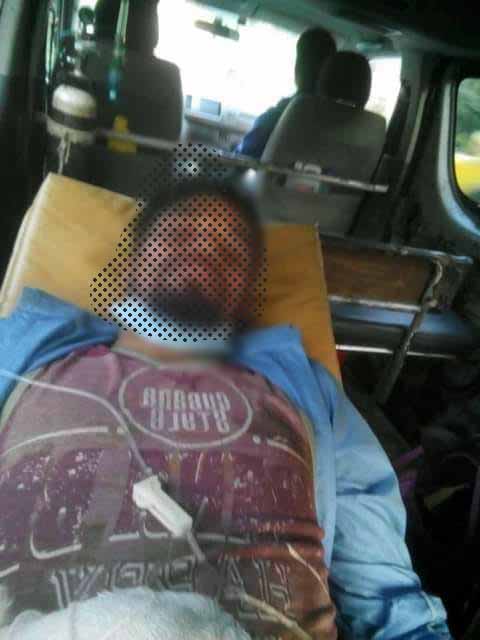
Trusting the clearance, the lineman climbed the pole to apply temporary grounding. As soon as he attempted the grounding, a massive electrical flash occurred. The line was still live.
The surge of electricity burned his right hand instantly, and he lost consciousness on the spot. He hung there, suspended by his safety belt, while the team below watched in horror.
The Technical Failure: The Unofficial Shift
After the investigation, the terrifying truth came out. A few days prior, the feeder had been shifted to Substation-2 to manage the load. However:
-
No Official Order: There was no formal office order issued for this shift.
-
No Communication: The duty-man at Substation-1 was never informed that he was no longer in control of that feeder.
-
The Trap: When the lineman called Substation-1, the operator turned off his switch, but because the line was being fed from Substation-2, the wires remained fully energized at 11,000 volts.
Critical Lessons for Survival
-
Never Trust a Single Source: If a feeder has the capability for a dual-source supply, you must verify that both sources are isolated and locked out.
-
The Power of the SLD: Every complaint center must have an updated Single Line Diagram (SLD) prominently displayed. Any changes to the feeder source must be marked on this diagram immediately.
-
Official Documentation is Life: Never perform a feeder shift based on a “verbal” or unofficial agreement. If it isn’t on paper, it didn’t happen—and it could kill someone.
-
The “Test Before Touch” Rule: Regardless of what the substation operator says, always use a high-voltage detector to verify the line is dead before you attempt to ground it.
👷♂️ Safety Checklist for Dual-Source Feeders:
-
[ ] Is the feeder connected to multiple substations?
-
[ ] Are both sources confirmed as “Shut Down” and “Locked Out”?
-
[ ] Is the Single Line Diagram (SLD) updated for this work?
-
[ ] Did you use a Voltage Detector to verify the line is dead?
-
[ ] Are you using a Shotgun Stick and Safety Gloves for grounding?
Final Word from Zakir: A communication gap between two offices should never cost a lineman his hand or his life. Demand coordination, demand documentation, and always stay grounded.